EDUCATION
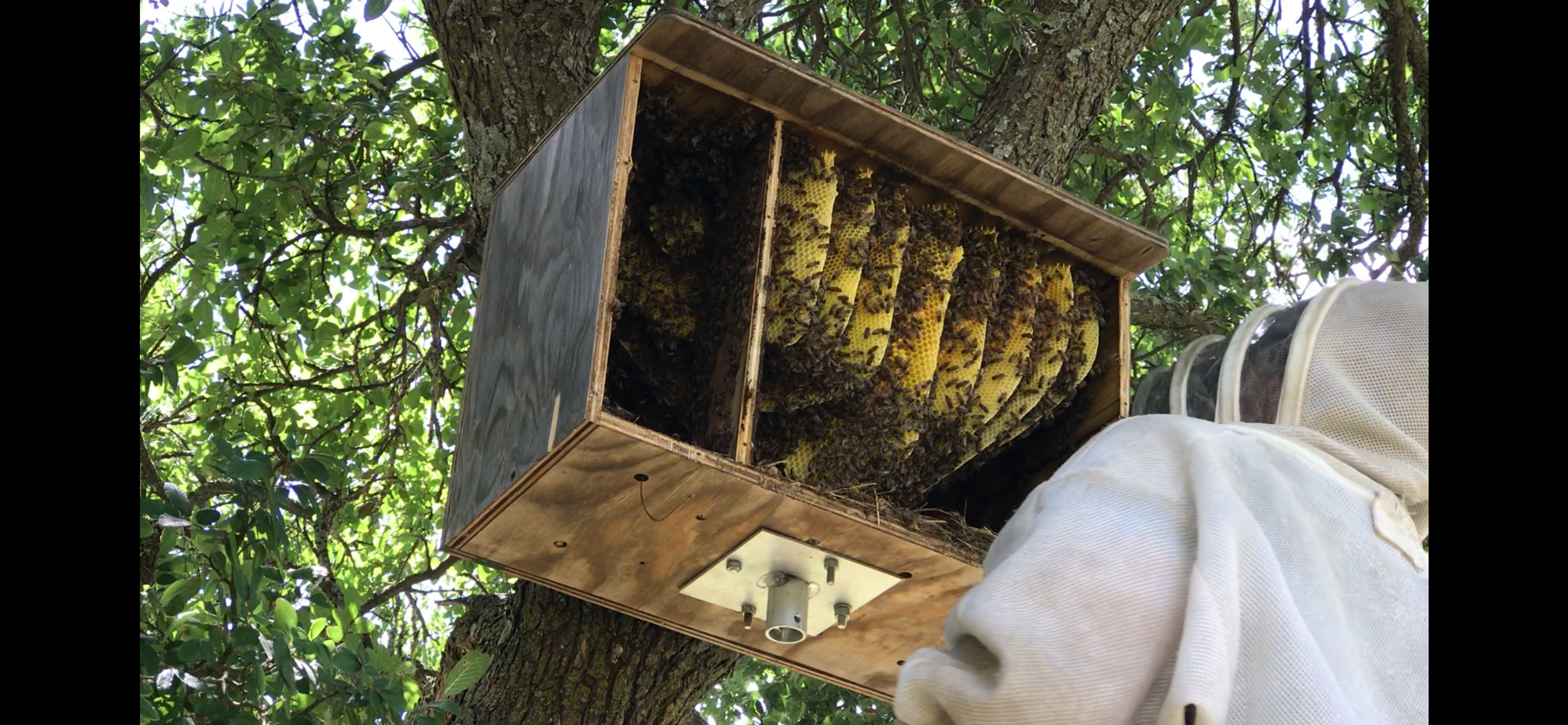
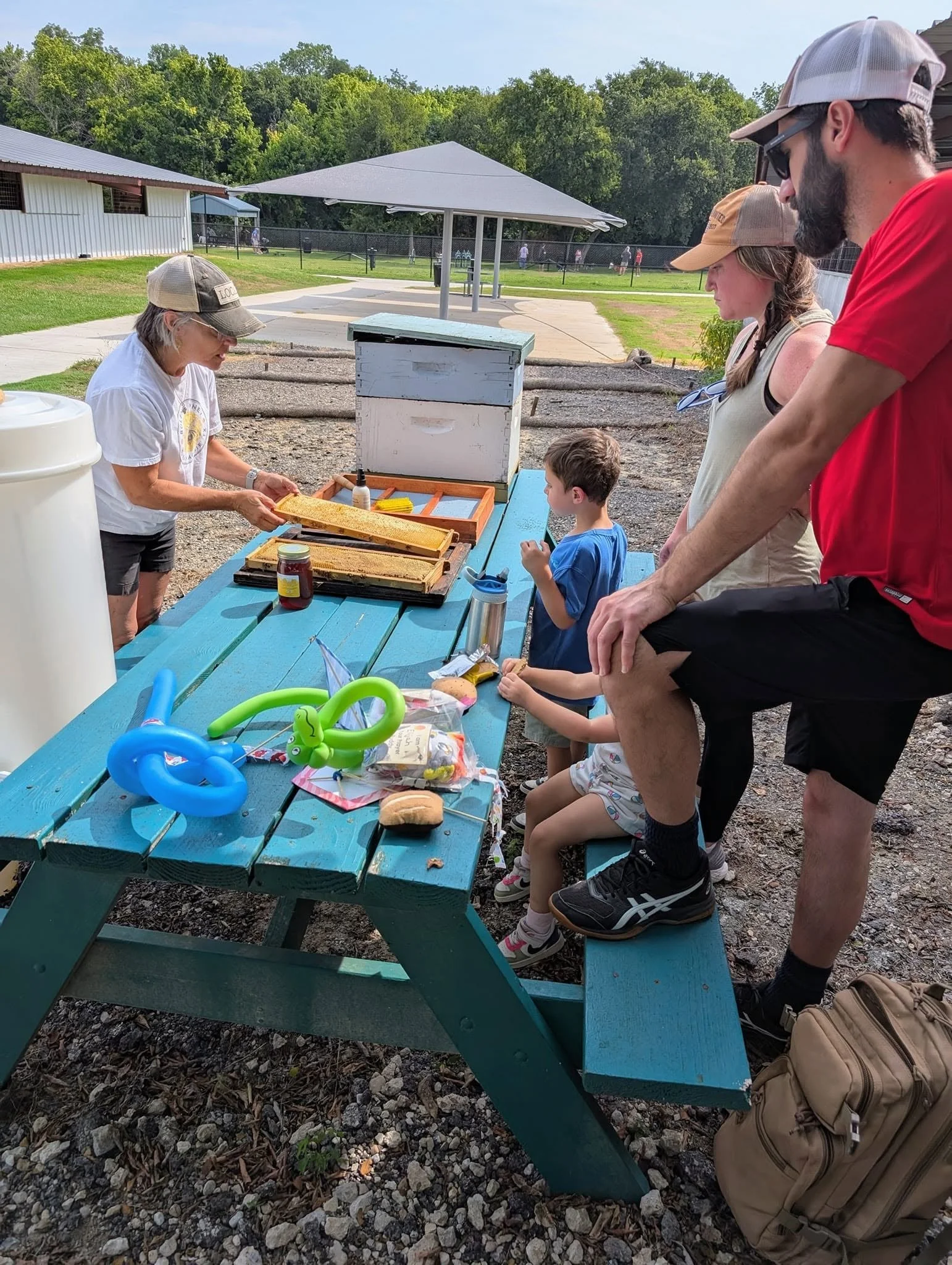
We offer educational opportunities. We can come to your school or organization to teach all about honeybees. We cover everything from the importance of honeybees to how to get started in beekeeping. Contact us for more information.

The Significance of Honey Bees
Honey bees are among the world’s most numerous and efficient pollinators. A single honey bee can visit more than 2,000 flowers in one day, carrying pollen from flower to flower and helping plants produce fruits, vegetables, nuts, and seeds.
In the United States, honey bees are the most widely used commercial pollinators. Managed colonies help pollinate more than 100 crops grown across North America and contribute approximately $15 billion to the U.S. economy each year. Some crops depend heavily on their work—including almonds, which rely on honey bees for more than 90% of their pollination and contribute roughly $4.8 billion to the U.S. economy annually.
Their impact reaches beyond farms and orchards. Honey bees also pollinate wildflowers and native plants, supporting healthy habitats, biodiversity, and the ecosystems on which people and wildlife depend.
The Challenges Facing Honey Bees
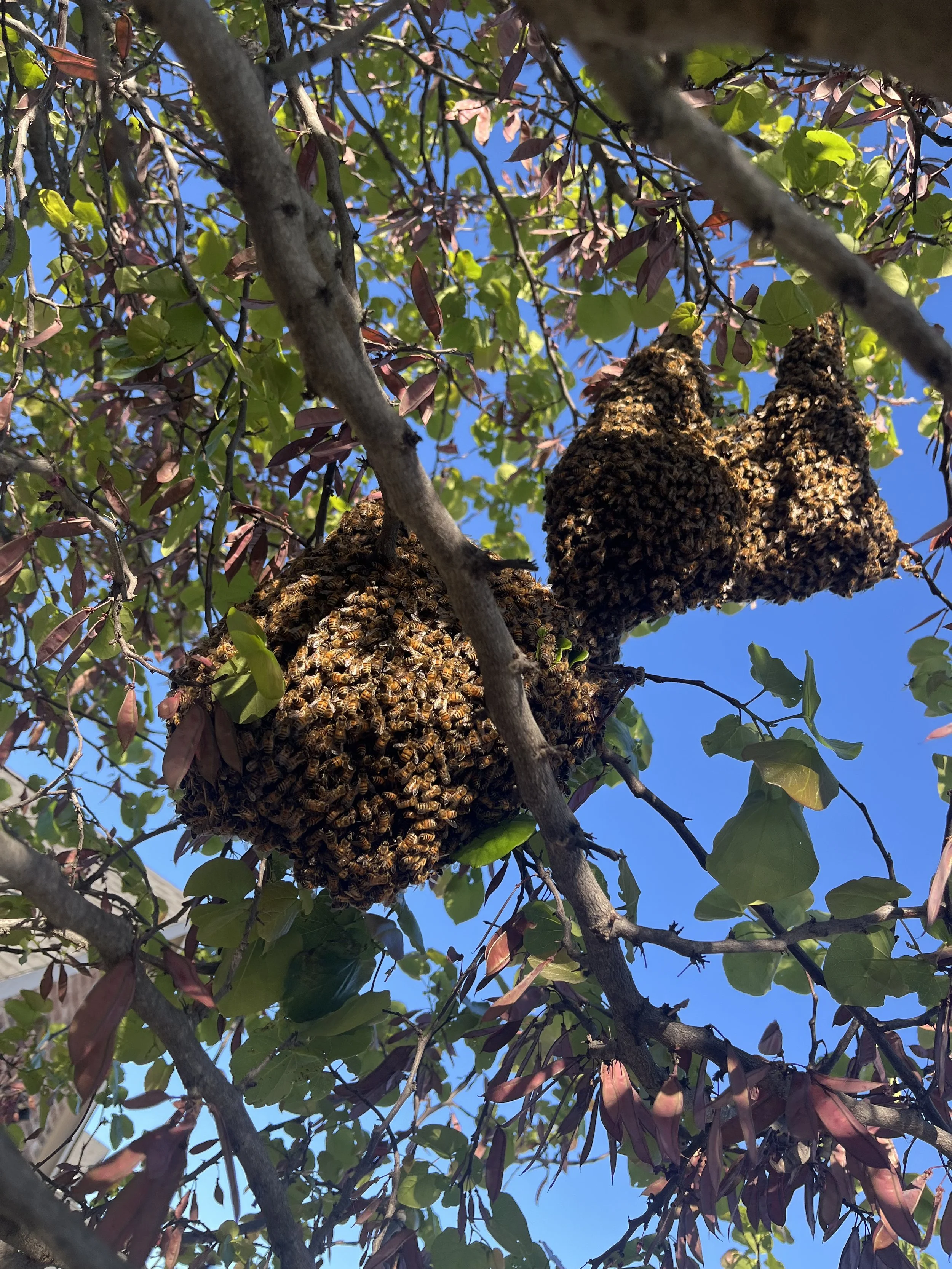
Honey bees play an essential role in our food supply and environment, but keeping colonies healthy has become increasingly difficult. Today’s honey bees face several overlapping challenges, including Varroa mites and the viruses they spread, pesticide exposure, habitat loss, poor nutrition, extreme weather, and large areas of monoculture that provide little variety in their diet.
The scale of the challenge is significant. During the 2015–2016 survey year, U.S. beekeepers reported losing approximately 44% of their managed colonies. Historically, the number of managed colonies in the United States declined from about 6 million in 1947 to 4 million in 1970, 3 million in 1990, and approximately 2.5 million by the mid-2010s. Winter losses that were once commonly estimated at 10–15% have frequently reached around 30% or more in recent decades.
These numbers do not mean that honey bees are disappearing altogether. Beekeepers work continuously to rebuild lost colonies by raising queens, dividing healthy hives, and carefully managing pests and disease. However, replacing so many colonies each year requires considerable time, labor, and resources. Responsible beekeeping, diverse forage, thoughtful pesticide use, and healthy habitats all play an important role in giving honey bees a better chance to thrive.
Honey Bee Facts
Honey bees are remarkable insects with complex social lives and an essential role in our environment. From communicating through dance to carefully controlling the temperature inside their hive, every colony works together as one highly organized community.
18 Fascinating Honey Bee Facts
A strong colony may contain between 40,000 and 60,000 bees during late spring and summer.
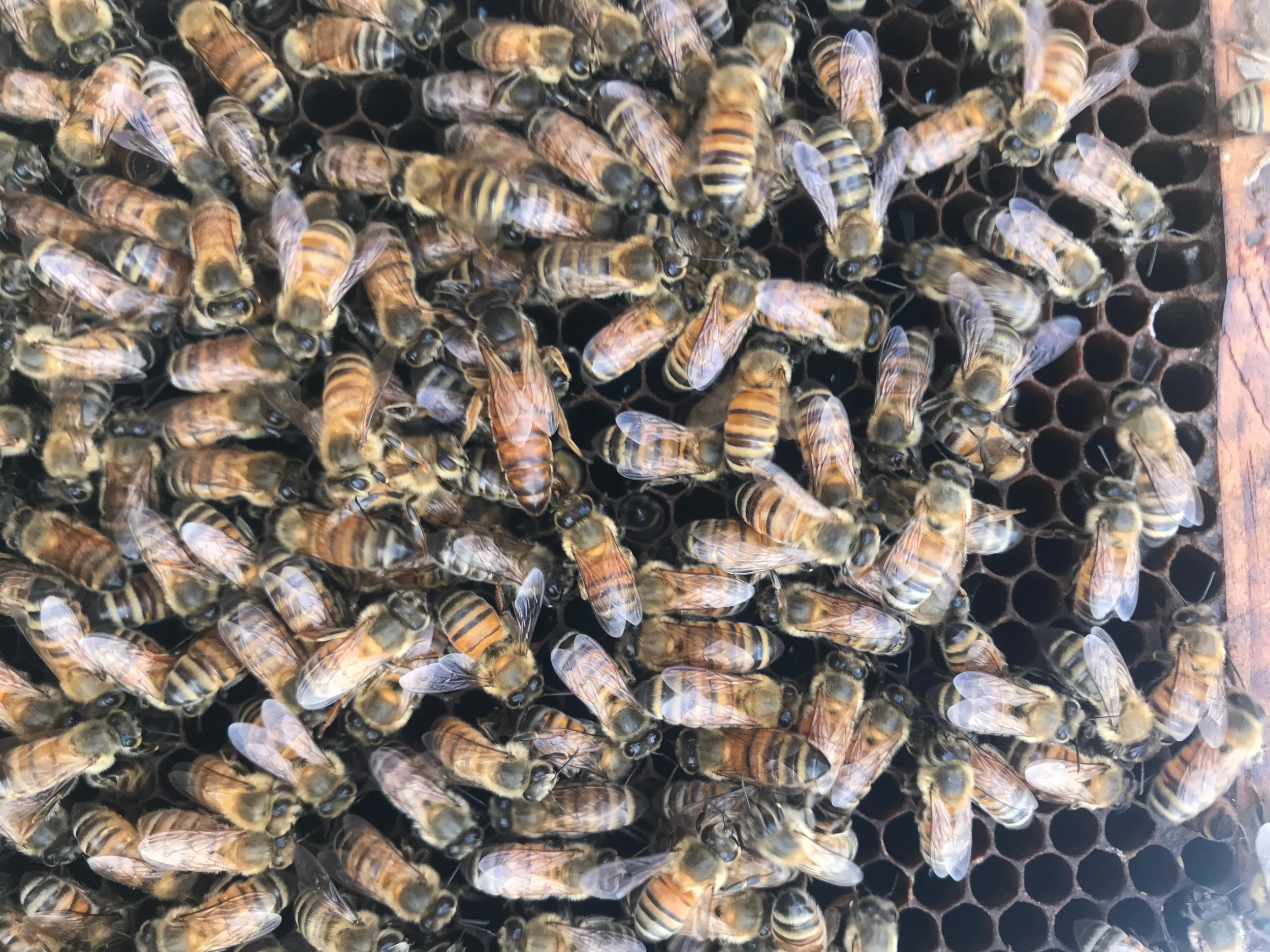
A colony usually consists of one queen, thousands of female worker bees, and—during the warmer months—hundreds or thousands of male drones.
A healthy queen can lay as many as 1,500 to 2,000 eggs in a single day during peak season.
Queen bees typically live for two to three years, although some may live longer.
A queen usually mates with multiple drones during several mating flights early in her life.
Worker bees are female and perform nearly every job in the colony, including nursing young, building comb, guarding the entrance, and gathering food.
Summer worker bees generally live for four to six weeks, while winter workers can survive for several months.
Drones are male honey bees, and their primary purpose is to mate with queens from other colonies.
Honey bees can fly at speeds of approximately 15 miles per hour.
A foraging honey bee may travel several miles from its hive in search of nectar, pollen, water, and plant resins.
During a single foraging trip, a honey bee may visit 50 to 100 flowers.
A worker bee’s wings beat approximately 200 times per second, creating her familiar buzzing sound.
Honey bees communicate the direction and distance of food sources through movements known as the “waggle dance.”
An individual worker bee produces only about one-twelfth of a teaspoon of honey during her lifetime.
Bees collectively fly tens of thousands of miles and visit millions of flowers to produce a single pound of honey.
Honey is made primarily from natural sugars and water, along with small amounts of enzymes, minerals, acids, and other compounds.
Worker bees produce beeswax from specialized glands on the underside of their abdomens and use it to build honeycomb.
Bees carefully regulate the brood area of the hive at approximately 93–95°F, helping developing bees remain healthy even when outdoor temperatures change dramatically.